Backpacks over 75L
For extended expeditions and major adventures, backpacks over 75L deliver maximum capacity for carrying large amounts of gear with confidence and comfort.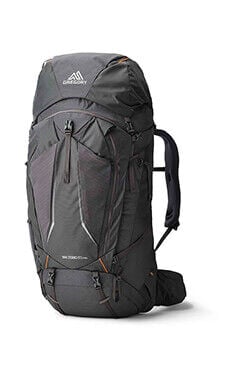





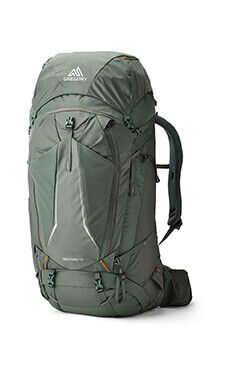


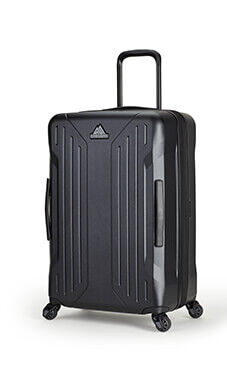

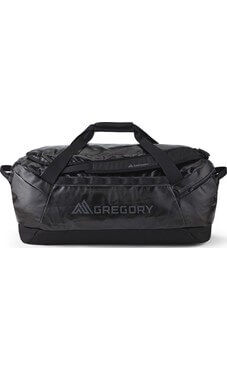

Everything You Own, and Then Some More
This is the far end of the range, and it splits neatly in two. On one side, expedition packs built to carry very large loads on your back for weeks. On the other, duffles, wheels and suitcases, for when the gear needs to travel but you don't need to be the one holding it. Backpacks over 75L deliver maximum capacity for extended expeditions and major adventures, and the first question worth asking is which of those two you actually need.
Carried, or transported?
It sounds obvious, but it's the decision that matters most at this size. Eighty litres of kit on your back for a fortnight in a remote place is one problem, solved by suspension, fit and construction. Eighty litres of kit going from your house to a basecamp is an entirely different problem, solved by handles, wheels and a big opening. Worth being honest with yourself about which one you're facing.
What's here
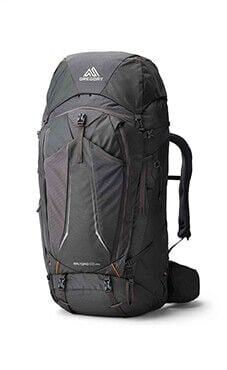
- Expedition packs: our Pro tier, and the most capable packs we make. Built for very large loads carried over long periods in demanding places, with the suspension and construction to match. If you're going somewhere genuinely remote for a long time, this is what it's for.
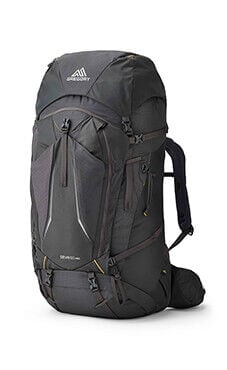
- Trekking packs: the top of our standard range, for sustained days under a full load with the adjustability and comfort to keep going week after week.
- Duffles: one enormous opening, everything goes in, done. A packing cube keeps the clean things separate and an expandable compartment takes the wet and muddy kit. For basecamp, expedition freight and the back of a vehicle.
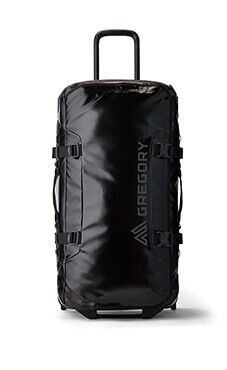
- Wheeled duffles: the same idea with wheels, because a hundred litres is a lot to be heroic about. Airports, freight, hotel corridors, anywhere flat.
- Large suitcases: for the trips where the adventure starts after you've checked in, and 88 litres of hold luggage is the sensible answer.
What the Pro tier adds
Expedition packs are the ones we build when the consequences of a pack failing are highest. That means the most developed load carrying we make, construction intended to survive sustained hard use, and the capacity to carry everything for a trip where resupply isn't an option. They're not the packs most people need, and that's rather the point: they exist for the trips that genuinely demand them.
Underneath, our named technologies do the work. FreeFloat, our patented suspension, links the hipbelt to the frame through a flexible panel so the belt pivots and flexes as you walk. VaporSpan and AirCushion are backpanel systems that keep air moving between you and the pack. CloudControl is a stretch-flex hipbelt for a softer feel that still holds a heavy load steady. Each product page lists which ones that pack uses, and our backpack technologies hub sets them side by side.
Fit, when there's this much riding on it
At these capacities a poor fit isn't a minor irritation, it's a trip-defining problem, and it's the one thing you can sort out before you leave. Torso length decides your size rather than height: our guide to measuring torso length takes five minutes.
Then load the pack at home with a realistic weight and set it up properly. The top edge of the hipbelt wants to sit around 2.5 cm above your iliac crest, so the weight rests on the shelf of your hips. Our guide to fitting a backpack covers the rest, including how to shift weight between your hips and shoulders on the move.
Where this sits in our range
- 65L: adventures where carrying capacity matters, with maximum storage for larger loads.
- 70L: long expeditions and demanding journeys, with space for everything you need.
- Over 75L: extended expeditions and major adventures, plus duffles, wheels and suitcases for gear that travels without being carried.
Not sure where you land? See every size in one place with shop backpacks by litres. If you know you want wheels or a wide-open duffle, head straight to duffel and travel bags.
FAQ
Who actually needs a backpack over 75L?
Not many people, and that's worth saying up front. This size is for extended expeditions and major adventures: trips where you're carrying everything for weeks, heading somewhere where resupply isn't possible, working in cold conditions where insulation takes up serious space, or carrying shared equipment for a group. Outside those situations, a 60L or 65L pack will be lighter, easier to live with and quite large enough. The risk with buying at this end is that a big pack invites you to fill it, and every litre you fill is weight you carry all day. Buy this size because the trip demands it.
What is the difference between an expedition pack and a trekking pack?
Expedition packs sit at the very top of our range and are built for the largest loads carried over the longest periods in the most demanding places, where a pack failing isn't an inconvenience but a serious problem. Trekking packs are built for sustained days under a full load with the adjustability and comfort to keep going for weeks, and for the vast majority of long trips they're the right answer. The practical difference is capacity and how far you're pushing both the pack and yourself. If your trip involves remote places, extreme conditions or being entirely self-sufficient for a long time, the expedition tier is what it exists for.
Should I get a 100L duffle or a 100L backpack?
It comes down to whether you'll be walking with it. A hundred litres on your back is a serious undertaking that only makes sense with a full suspension system and a properly fitted harness, and only if the trip genuinely requires it. A duffle at the same capacity is far easier to pack, load into a vehicle and hand over as freight, and ours come with a packing cube plus a separate expandable compartment for wet or dirty gear. Many expedition trips use both: a duffle for getting the gear to the start, and a pack for carrying what you need from there. If you're not walking with it, take the duffle.