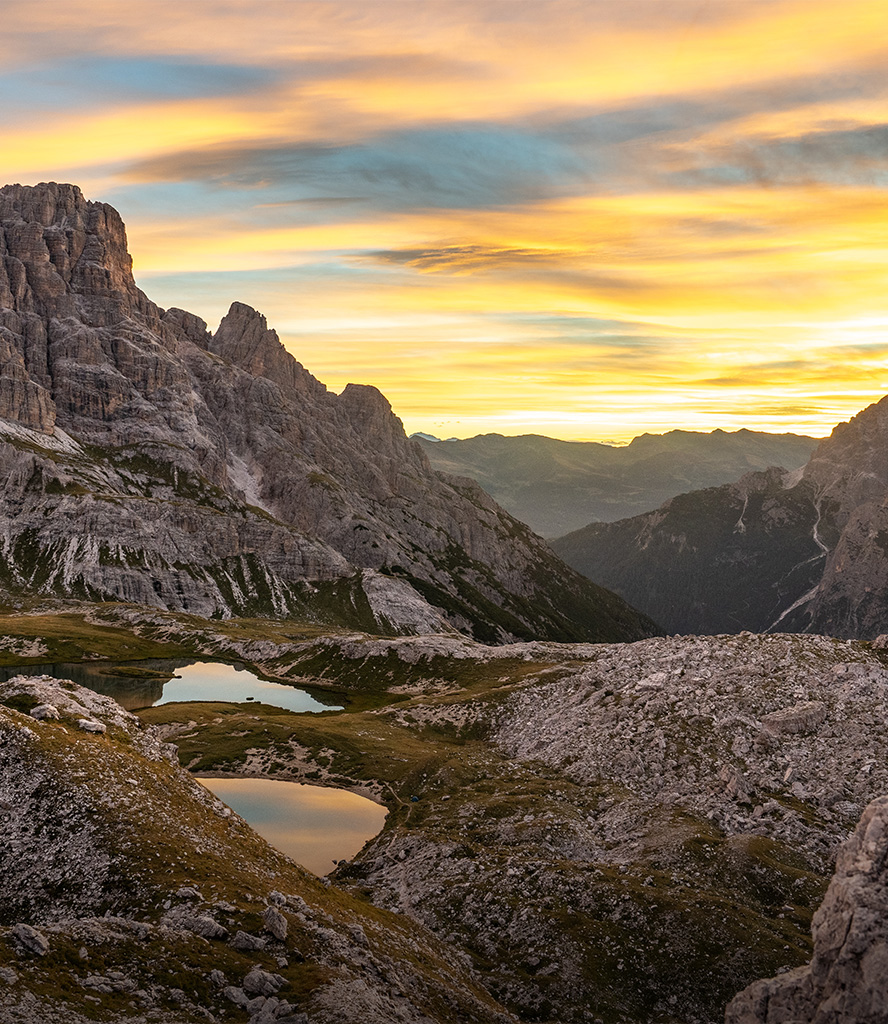
What to Pack for a Hut-to-Hut Hiking Tour in Europe
One of the biggest advantages of hut-to-hut hiking is that you don’t need to carry a tent, stove, or heavy food supplies. Mountain huts across Europe offer warm meals, cozy beds, and a place to recharge, making it possible to hike light and enjoy the journey. But packing smart is still essential. The right gear can make the difference between a comfortable trek and a stressful one. Here's what to bring and how to choose the perfect backpack for your adventure.
Choosing the Right Backpack for Hut-to-Hut Hiking
Your backpack is your most important piece of gear. It needs to be:
- Lightweight but supportive
- Sized appropriately for your trip length
- Comfortable for long days on the trail
Recommended backpacks to carry for a hut-to-hut hike
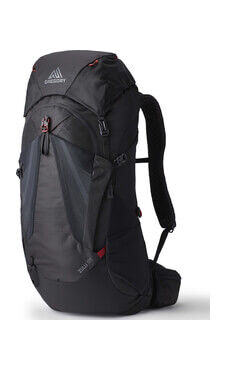
If you are staying in staffed huts and not carrying technical gear, a backpack between 35 and 45 liters is usually enough. We recommend you to use a technical backpack like Zulu 35 for men and Jade 33 for women. Are you looking into staying at bivouac shelters? Then we recommend a slightly larger and more technical, yet lightweight backpack: Paragon 48 for men and Maven 45 for women.
Not sure where you will be staying? Learn more about mountain huts and bivouacs.
Recommended products


Essential packing list for hut-to-hut tours
Now that you’ve chosen the right backpack for your hut-to-hut adventure, it’s time to pack it smart, bringing only what you need to stay safe, comfortable, and light on the trail.
1. Clothing layers
- Base layer (moisture-wicking top and bottom)
- Mid layer (fleece or lightweight down jacket)
- Outer layer (waterproof jacket and pants)
- T-shirt and long sleeve shirt
- Hiking trousers and shorts
- Warm hat (beanie) and sun hat or buff
- Gloves (lightweight or insulated depending on season)
- Socks (2–3 pairs, preferably merino wool)
- Sleepwear (comfortable clothes for hut evenings)

2. Sleeping & Comfort
- Sleeping bag liner (mandatory in most huts)
- Earplugs (shared dorms can be noisy)
- Headlamp (with extra batteries)
- Light towel (for showers or lake swims)
- E-reader, journal, or card game (for downtime in huts)
3. Food & Hydration
- Snacks (energy bars, trail mix, dried fruit)
- Hydration reservoir (2–3L capacity)
- Water filter or purification tablets (some huts don’t offer potable water)
- Electrolyte tablets or isotonic powder
- Optional packed lunch (some huts offer takeaway meals)

4. Safety & Navigation
- First aid kit (include band-aids, blister care, painkillers)
- Sunscreen and lip balm
- Map, compass, GPS or Garmin InReach (compatible with our Paragon/Maven backpacks)
- Whistle (built into Gregory backpacks)
- Pocket knife or multitool
- Emergency contact list
- Mobile phone + powerbank
- Cash (essential for huts without card payment)
- ID and Alpine Club membership card (for discounts)

5. Optional Gear for Technical Trails
- Microspikes or crampons (for early/late season snowfields)
- Helmet, harness, rope (if doing via ferrata or glacier crossings)
- Water shoes (for river crossings or lake swims)
- Walking poles
Final tips
- Pack light: Aim for under 10–12 kg total weight.
- Test your gear: Do a short hike with your packed Gregory backpack before your trip.
- Layer smart: Weather can shift quickly in the mountains.

About the writer
Elmar Teegelbeckers
Passionate thru-hiker Elmar spends months of his time on the trail. He’s usually on the lookout for hidden gems in one of his favourite countries such as Slovenia, Switzerland and Japan. He founded hiking-trails.com and thru-hiking.com in need of a community and detailed information about the long-distance trails in Europe. Before this, he worked for the Alpine association in the Netherlands (NKBV) but lost his heart to the trails which he wrote two books about. His motto: hike slow, go far!