20L Backpacks
Explore 20L backpacks designed for day hikes, urban adventures and daily carry. A versatile size offering the perfect balance between lightweight comfort and practical storage.


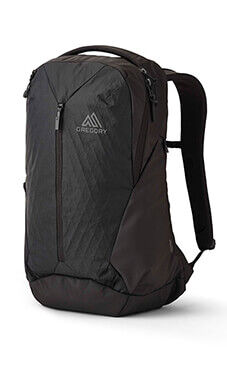


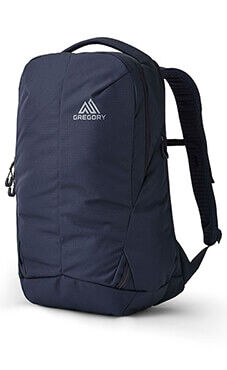


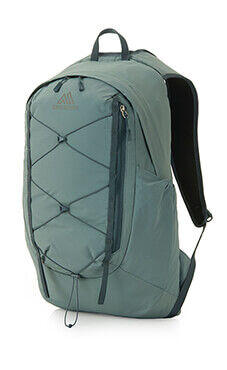


The Size That Does Almost Everything
Ask us which volume we'd hand someone who owns exactly one pack, and the answer is this one. 20L backpacks sit at the crossover point: big enough for a proper day on the hill, small enough that you'll still grab it on a Tuesday morning. It's also the size where you'll start seeing our named technologies on a lot more packs, because there's finally enough structure to build a real suspension system into.
Why this size earns its keep
Somewhere between 20 and 24 litres, a pack stops being a bag you put things in and becomes a pack that carries. There's room for a frame sheet, a shaped backpanel and a hipbelt that genuinely puts weight on your hips rather than just stopping the pack swinging. That matters more than it sounds. Shoulders tire; hips don't, not in the same way. Get that right and you spend the afternoon looking at the view instead of thinking about your shoulders.
Suspension you can actually name
At this size several of our packs carry one or more of our named technologies, so you can choose by how a pack carries rather than guessing.
- CloudControl hipbelt: a stretch-flex construction that moves naturally with your body. Soft and barely-there when you're walking easy, still stable and supportive when the ground gets awkward. Built for people who want support without feeling strapped in.
- VaporSpan backpanel: a 3D mesh panel suspended off your back like a trampoline, dense and supportive low down where the load sits, open and breathable up top. The one to choose if you overheat, or if most of your walking happens in summer.
- AirCushion backpanel: a foamless 3D mesh structure that's over 90% open air, minimising contact with your back and maximising airflow. The choice for everyday carry when you'd rather not arrive with a sweat patch.
Not every pack carries all three, and none of them needs to. CloudControl works on the hipbelt, AirCushion and VaporSpan on the backpanel, so a pack might use one, or pair a hipbelt system with a backpanel system. The simplest way to choose: if you overheat, prioritise the backpanel; if you want the pack to move with you and stay out of the way, prioritise the hipbelt. Each product page lists exactly which technologies that pack uses, and our backpack technologies hub sets all four side by side.
Men's, women's and unisex fits
This is where our fit range opens up. We build matched men's and women's versions of several packs at this volume, and they're not the same pack in different colours. Each is shaped around a different shoulder slope, chest shape and hip angle, with harnesses and hipbelts built to match rather than resized.
What you'll find at this size
- Day hiking backpacks: full suspension, hipbelt pockets, trekking pole attachments, hydration compatibility and side compression. Built to carry a loaded day out properly.
- Daypacks: cleaner and simpler, with a main compartment, quick-access pockets and a laptop or reservoir sleeve. The most flexible thing you can own if your week involves both trails and trains.
- Everyday and urban packs: the same construction standards in a shape that doesn't look out of place in an office. Externally accessed padded laptop sleeves take up to a 15" screen, interior organiser sleeves and pen slots keep the small stuff findable, and an integrated harness pocket puts your earbuds or transit card within reach.
Where 20L sits in our range
This is the middle of the day-use band and a solid place to start. Go smaller for fast, minimal days; go bigger once your days run longer or the weather turns.
- Under 20L: fast days, commuting, minimal carry.
- 20L–24L: day hikes and everyday carry, when you're packing light and precisely.
- 25L–28L: extra room for clothes, gear and essentials without the bulk.
- 30L: longer day hikes, travel and outdoor adventures, with room for changing conditions.
Not sure where you land? See every size in one place with shop backpacks by litres.
FAQ
Is a 20L backpack big enough for a day hike?
For most day hikes, this is the size we'd recommend first. Around 20 to 24 litres takes water, a mid-layer, a waterproof shell, lunch, a first aid kit and a few extras without needing to be crammed. Crucially, packs at this volume have enough structure for a proper hipbelt and shaped backpanel, so the weight sits on your hips instead of hanging off your shoulders. That's what makes the difference on a long day rather than raw capacity. You'd want to size up for longer day hikes where conditions might change, or anything that runs beyond a single day.
What is the difference between men's and women's backpacks?
The difference is structural, not cosmetic. Women's-specific packs use harnesses contoured for a different shoulder slope and chest shape, and hipbelts angled for a different hip position, so the load sits where it should rather than pressing where it shouldn't. These are starting points, not rules. Bodies vary more than categories do, so if a men's, women's or unisex pack fits your torso better than the one you'd expect, that's the right pack for you.
What is the difference between CloudControl, VaporSpan and AirCushion?
They work on different parts of the pack. CloudControl is a hipbelt technology, using stretch-flex construction that moves with your body for a soft, barely-there feel while still holding the load steady. VaporSpan and AirCushion are both backpanels: VaporSpan suspends a 3D mesh panel off your back with dense support low down and open mesh higher up, while AirCushion uses a foamless 3D mesh structure that's over 90% open air. The short version: pick a backpanel technology if you run hot, and a hipbelt technology if you want the pack to move with you. Some packs pair one of each. Our backpack technologies hub compares them side by side.
Can a 20L hiking backpack work as an everyday or work bag?
It's one of the reasons this size sells so well. Around 20 litres holds a laptop or tablet, lunch, a layer and everything in your pockets, while staying compact enough for a crowded train. Look for a tuck-away hipbelt if you want trail stability that disappears for city use, and a separate internal sleeve that takes a hydration reservoir at the weekend and your tech during the week. We also build packs at this volume specifically for everyday and urban use, with organisation designed around chargers and cables rather than trekking poles. Buying a pack engineered to carry a hiking load properly means your shoulders benefit on commutes too.