Hand Luggage & Carry-On Backpacks: What You Can Bring on a Plane
If you’ve ever stood at the gate wondering whether your backpack will fit in the overhead bin, you’re not alone. One of the most common travel questions is: what is the right carry-on backpack size?
The reality is simple, but not always straightforward. Airline rules vary, and what works on one flight might not on another. That’s why understanding general size expectations, and choosing the right travel backpack, can save you time, stress, and unexpected fees.
Let’s break it down so you can travel confidently.
What Is Considered Hand Luggage?
Airlines typically divide cabin bags into two categories, and knowing the difference helps you pack smarter.
Carry-on luggage (overhead storage)
This is your main bag, stored in the overhead compartment. It’s typically larger and designed to hold most of your travel essentials.
- Clothing and bulkier items
- Packing for multi-day trips
- Anything you don’t need during the flight
Most airlines allow one carry-on plus one personal item within general size and weight guidelines. But space in overhead bins is often limited, especially on full flights.
Personal item (underseat storage)
This is a smaller bag, like a personal item backpack or underseater bag, that fits under the seat in front of you. It’s ideal for:
- Travel essentials (passport, headphones, snacks)
- Electronics and valuables
- Items you want quick access to mid-flight
Why this distinction matters
Airlines are stricter with carry-on luggage, while personal items must physically fit under the seat. That means dimensions, and how your bag compresses, matter just as much as total volume. Always check with your airline for the most up-to-date carry-on size requirements.
Carry-On Backpack Size: What You Need to Know
Typical size range
When choosing a carry-on backpack size, most travel-focused backpacks fall into:
Once you go beyond 40L, fitting your bag into overhead bins becomes less predictable, especially on smaller aircrafts.
Why backpacks often work better
Compared to rigid suitcases, a cabin luggage backpack has a major advantage:
- Soft structure = more flexibility
- Fits into tighter or irregular overhead spaces
- Adapts better when overhead bins are already partially full
This flexibility can make the difference between fitting your bag into the overhead bin or being asked to check it at the gate.

Personal Item versus Carry-On Backpack

What is an underseater bag?
An underseater bag is designed to fit under the seat in front of you. This is your “personal item” and the one bag you’ll have easy access to throughout your flight.
Using a backpack as your personal item
A smaller hand luggage backpack can double as your personal item if it’s designed with compact dimensions.
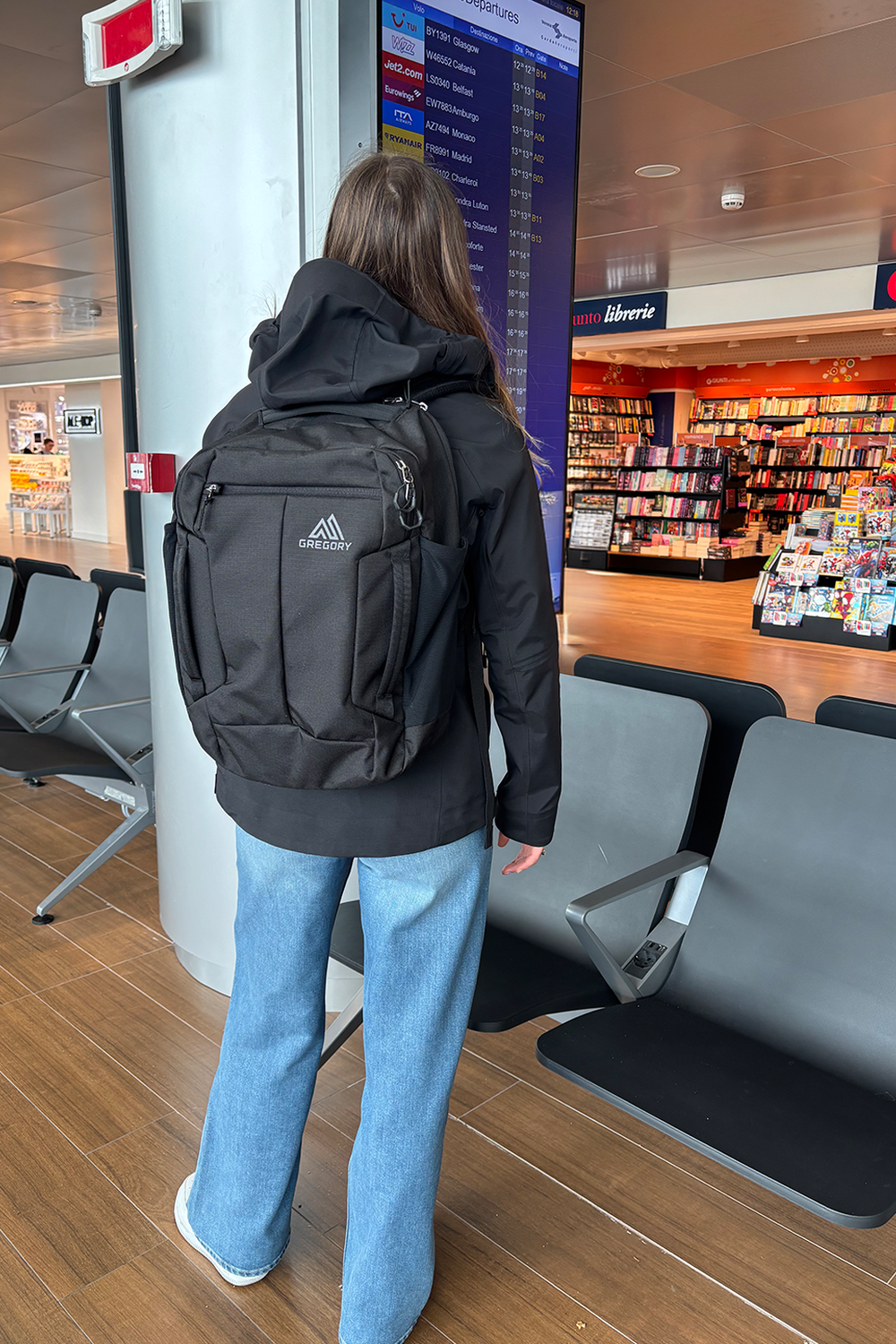
A great example is the Border 28L Underseater:
- Sized to fit under most seats when packed smartly
- Ideal for short trips or as a secondary bag
- Keeps essentials easily accessible during the flight
Why Some Backpacks Need to Be Checked
Not every backpack is suitable for cabin travel, and this often surprises travellers.
Trekking and hiking backpacks
Large, framed packs - especially those designed for multi-day treks - often:
- Exceed carry-on size limits
- Have rigid structures that can’t compress
- Include straps and frames that make them bulky
Even if the volume seems acceptable, the shape and structure often prevent them from fitting in overhead compartments.
Practical workaround
If you’re traveling with a hiking backpack:
- Plan to check it for most flights
- Protect it with a cover to avoid damage
- Consider a second, smaller travel backpack as carry-on for valuables
This setup keeps your important items with you while avoiding last-minute surprises.

How to Choose the Right Travel Backpack
Choosing the right carry-on backpack size isn’t just about volume, it’s about how the bag works for travel.

1. Look at proportions, not just liters
Two 40L backpacks can behave very differently:
- A compact, rectangular shape fits better in overhead bins
- A rounded or bulky shape is harder to store

2. Accessibility matters
Airports are fast-moving environments:
- Clamshell openings allow quick packing and unpacking
- Separate laptop compartments speed up security checks

3. Comfort still counts
Even short carry distances add up:
- Padded shoulder straps for all-day carrying comfort
- Breathable back panels improve comfort in warm climates
Recommended Gregory Products
Here’s how different Gregory bags fit into real travel situations based on size, flexibility, and use case.
Carry-on backpack options
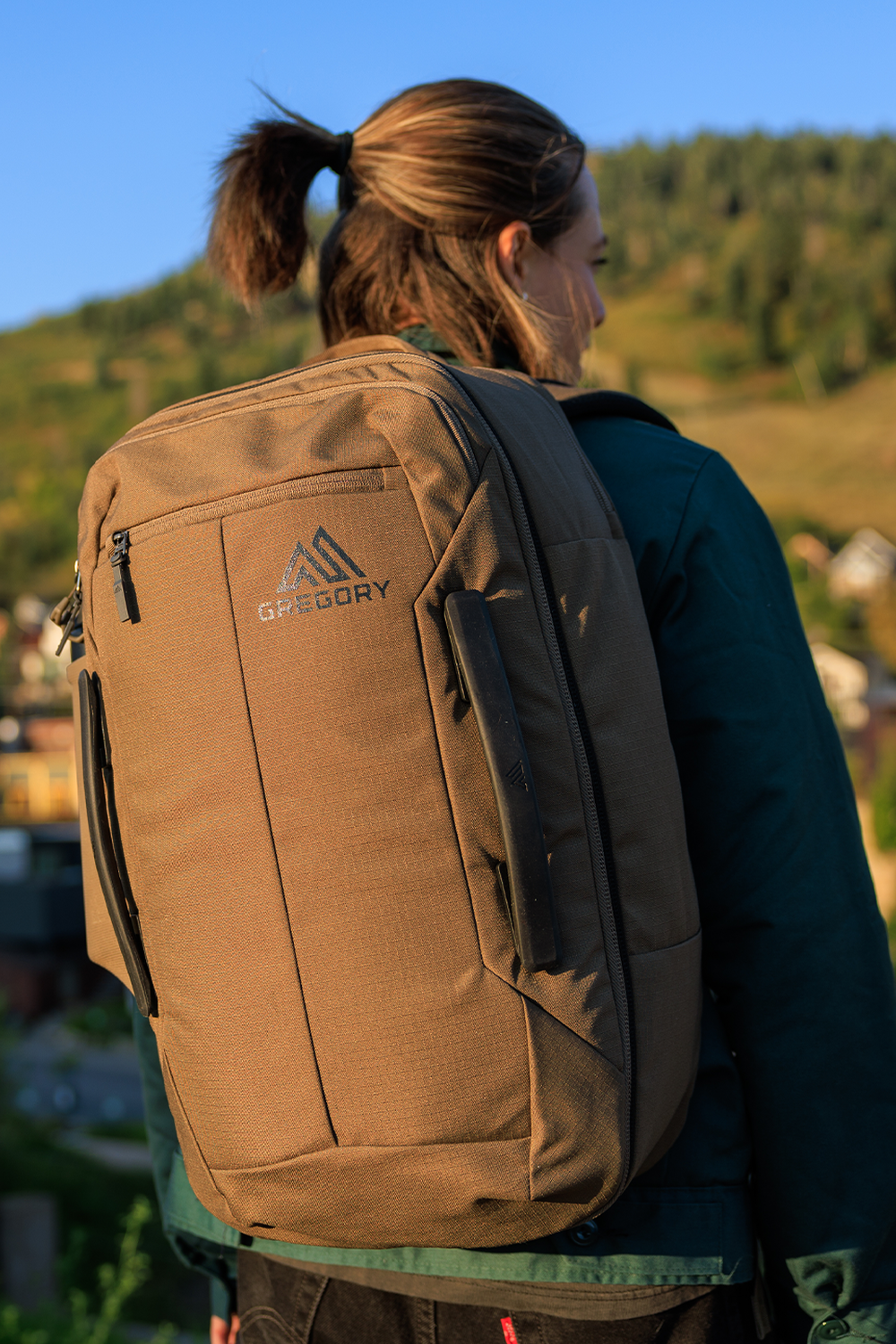

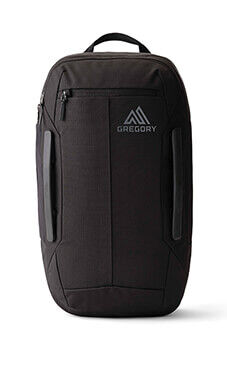
Border 30L


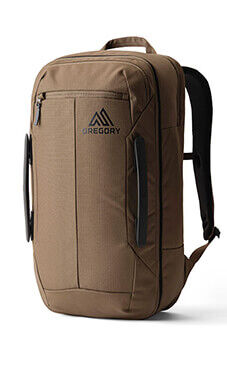


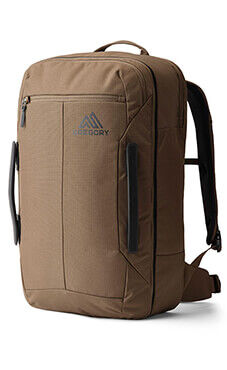
Border 40L


For personal item / underseat use

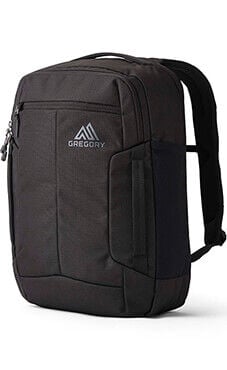
Border 28L Underseater



Flexible travel alternatives
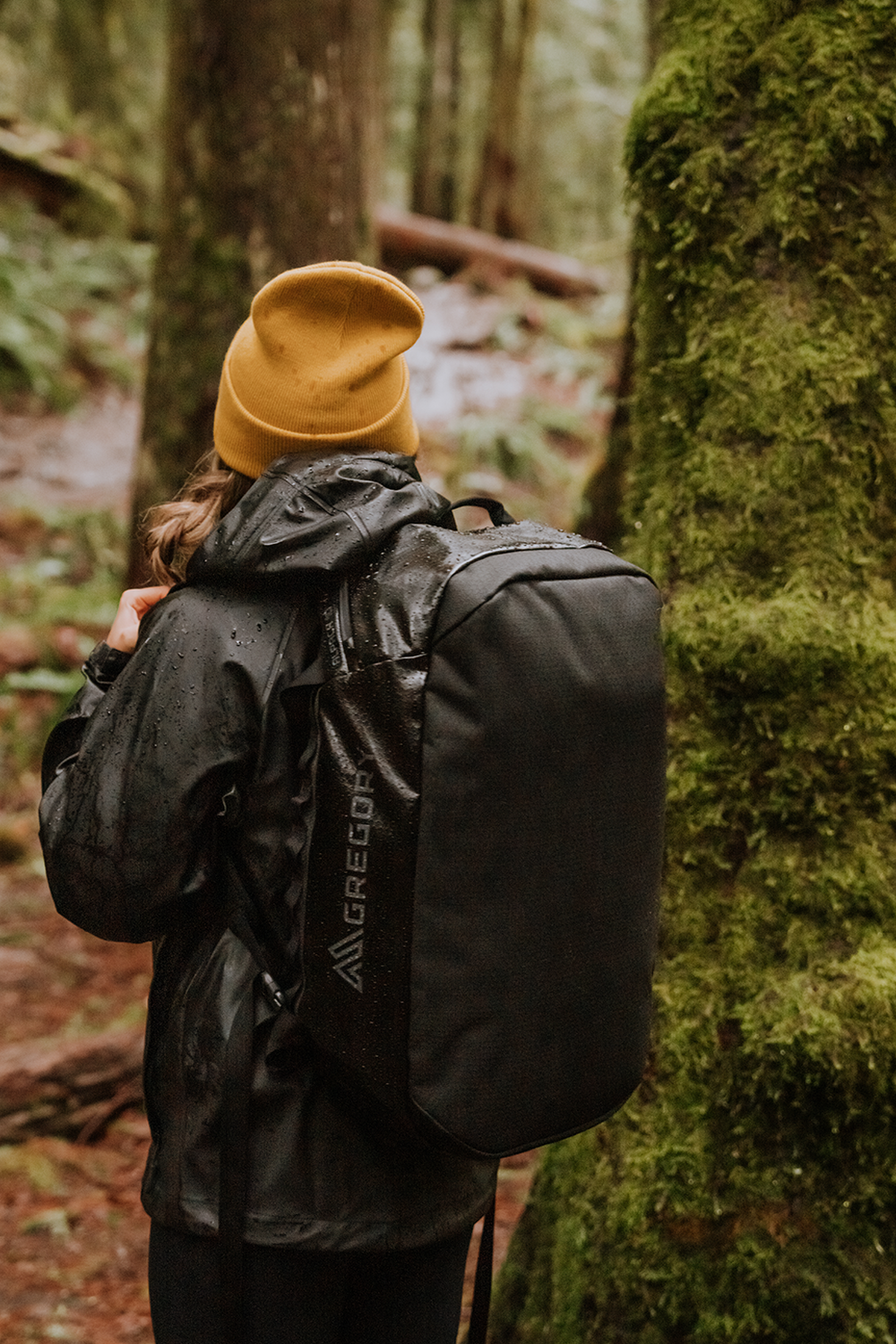

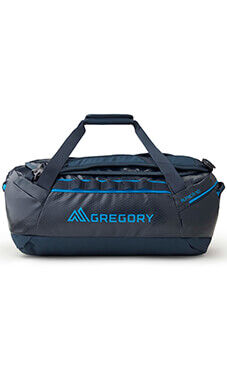
Alpaca 40L Duffle


Wheeled convenience
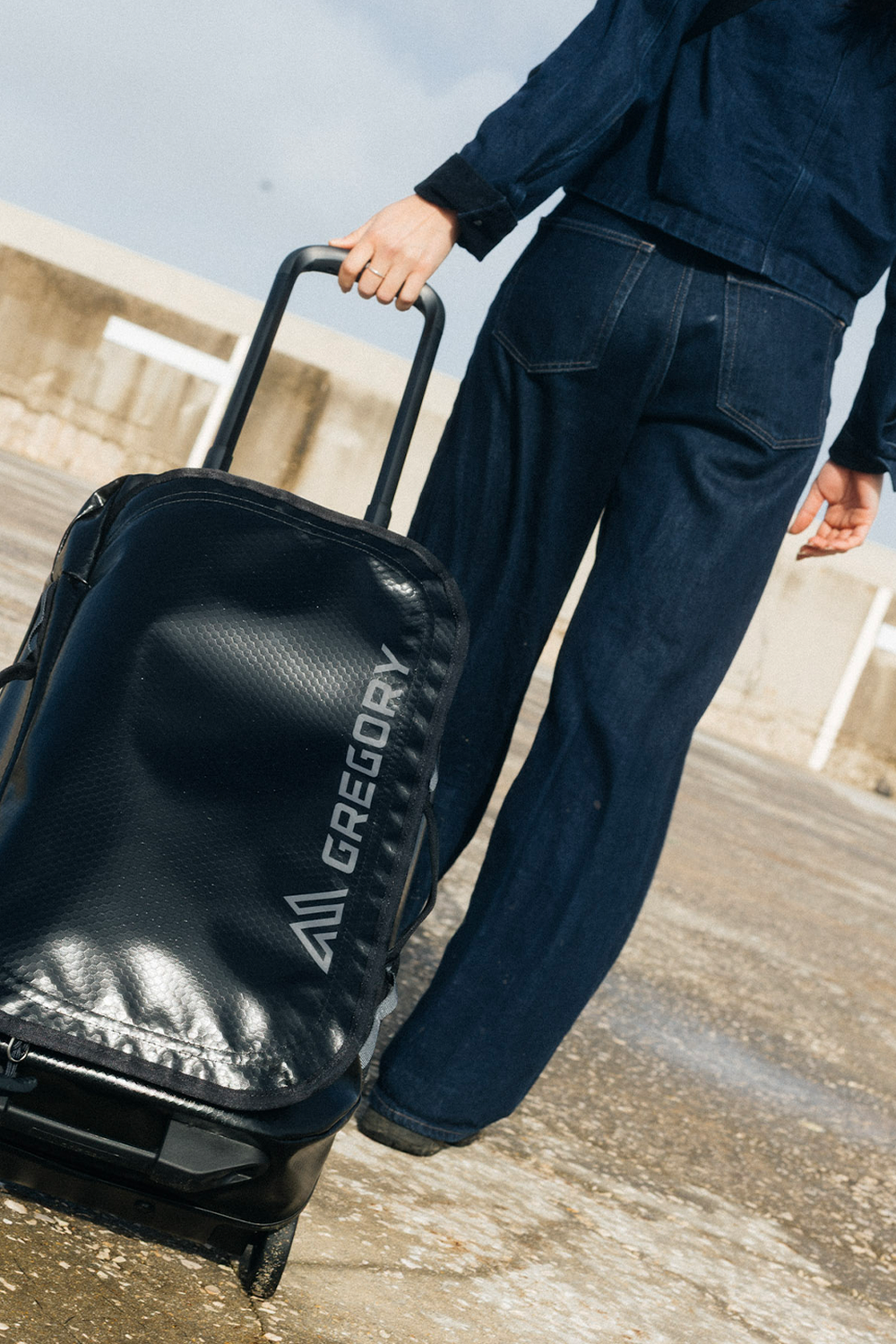

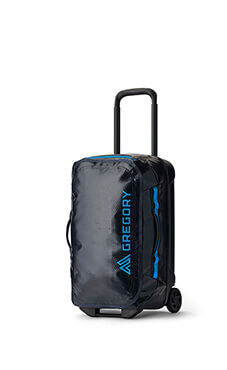
Alpaca Wheeled Duffle 40L


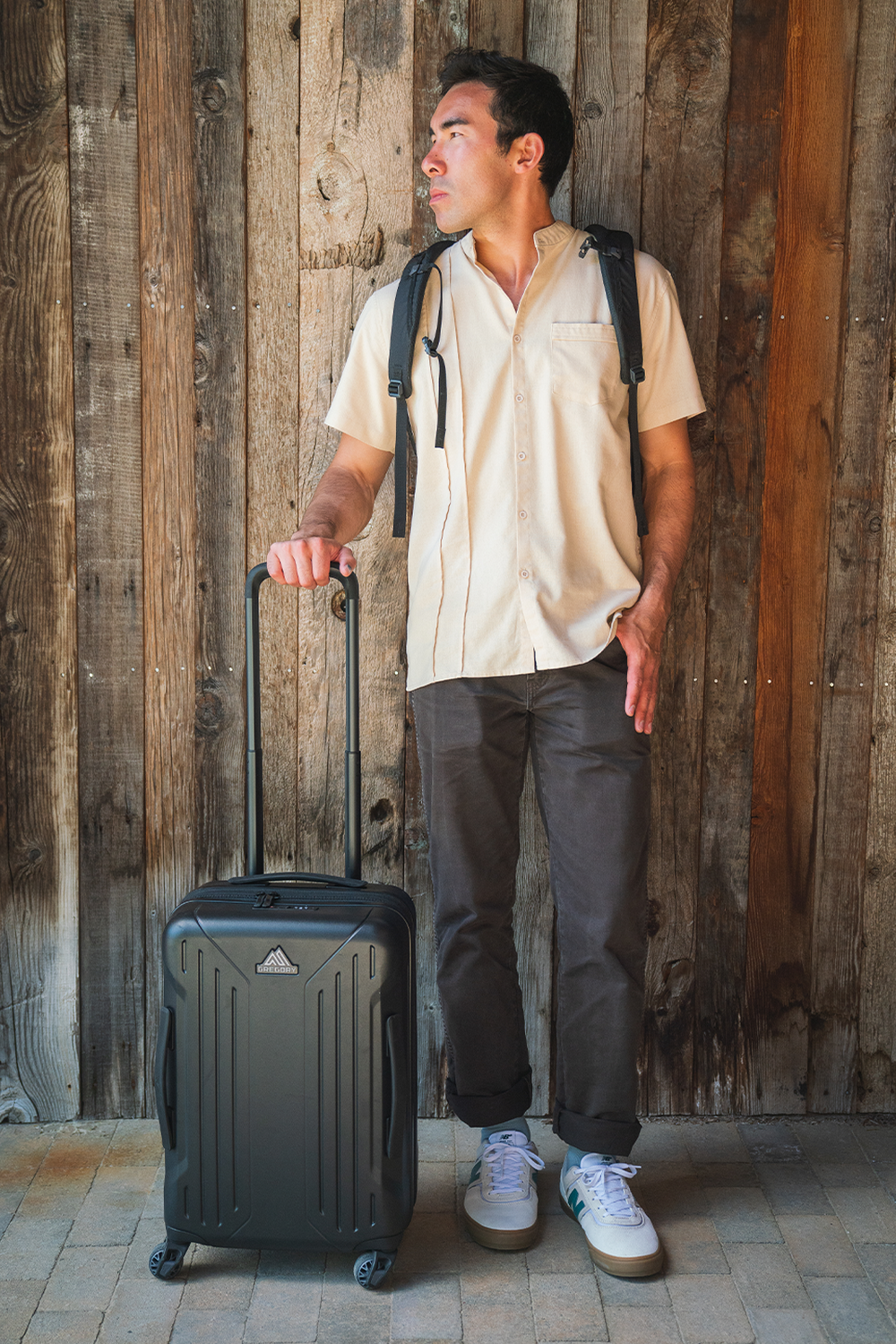

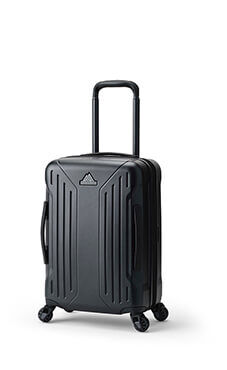
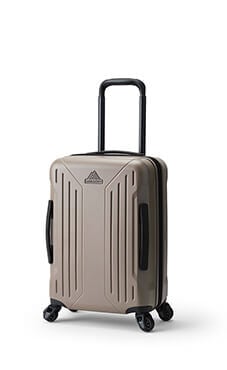
Quadro Pro 40/47L


Practical Tips for Flying with a Backpack

Pack with structure in mind
- Place heavier items close to your back
- Use packing cubes or gear pods to prevent bulging
- Compress clothing to maximize space
Manage weight proactively
Even if your carry-on backpack size is acceptable, weight limits can still apply:
- Spread heavier items between carry-on and personal item
- Wear bulkier clothing during boarding if needed
Secure loose straps
- Tuck away straps to avoid snagging or damage
- Especially important if there’s a chance your bag gets checked
Having a flexible cabin luggage backpack gives you an advantage in all these situations.
Conclusion
Understanding carry-on sizes doesn’t have to be complicated. While exact rules vary, the right backpack (and a bit of smart packing) go a long way.
By choosing a flexible, travel-designed bag and staying within general size ranges, you’ll avoid most common issues and travel with confidence.
But we do want to highlight again to always check with your airline for the most up-to-date carry-on size requirements and which backpacks are allowed.
Wherever you’re headed next, the goal is simple: less stress and more freedom.

FAQ
What is the ideal carry-on backpack size?
Most travellers use backpacks between 30L and 40L. This range balances capacity with general airline expectations.
Can you bring a backpack as carry-on luggage?
Yes, a backpack can be used as carry-on if it stays within size and weight limits set by the airline.
What is the difference between carry-on and personal item?
A carry-on goes in the overhead bin, while a personal item (like an underseater bag) fits under the seat in front of you.
Are hiking backpacks allowed as carry-on?
Most large hiking backpacks are too tall or rigid for cabin use and often need to be checked.

About the writer
Gregory Team
The Gregory team in Europe is a collective of passionate hikers, trekkers, and outdoor enthusiasts who love to spend their time on the trails. Some of us thrive on multi-day hut-to-hut hikes and thru-hiking challenges, while others prefer backpacking adventures with hostel stays and scenic day routes. What unites us is a love for the outdoors and a desire to share real experiences, trail-tested tips, and gear advice to help others discover the world one step at a time. Discover our Instagram or Facebook for fun adventures and product information.