Best Long Distance Hikes in Europe: 12 Epic European Hiking Trails to Explore
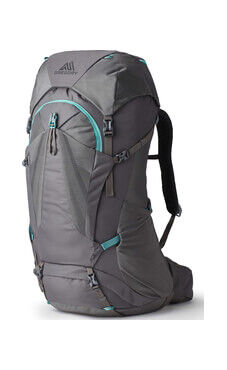
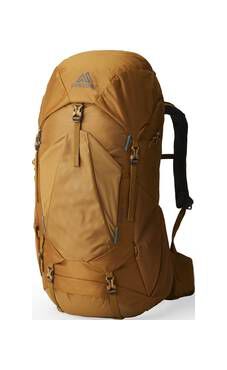
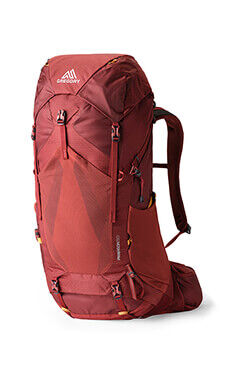
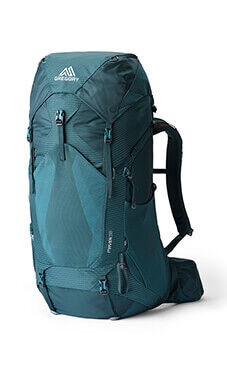
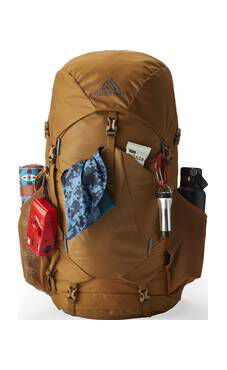
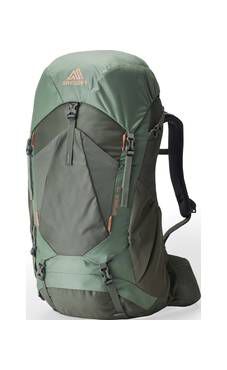
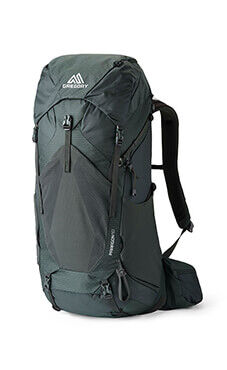
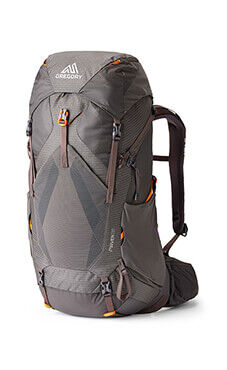
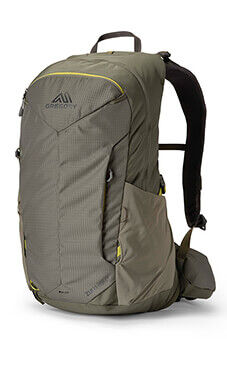
Europe is home to some of the best long-distance hikes in the world. With well-developed accommodation networks and diverse landscapes, these European long distance hiking trails offer something for every adventurer. From alpine crossings and coastal paths to forested gorges and cultural pilgrimages, this guide highlights 12 unforgettable trails across the continent. Whether you're planning a full thru-hike or a scenic section, these routes are perfect for your next hiking adventure. You’ll want to carry a pack that is between 35 and 65 liters from Gregory, depending on whether you’ll stay in mountain huts or camp.
Via Alpina 1 – Switzerland
The Via Alpina 1 crosses 14 alpine passes and goes through all the major mountain regions in Switzerland. It runs from Sargans to Montreux, weaving through high meadows and rugged ridges. Most people typically stay in mountain huts, inns, and hotels in villages along the way. Wild camping isn’t allowed, but there's always a roof nearby. The elevation gain is serious: over 23,500 meters total. The full route is for seasoned trekkers, though you can break it into stages for shorter section hikes.
Specifics for the Via Alpina 1 – Switzerland
- Location: Switzerland
- Distance: 390 KM
- Time needed: 20 days
- Accommodation along the trail: Lodging, mountain huts
- Elevation gain: 23500M
- When to hike: June-September
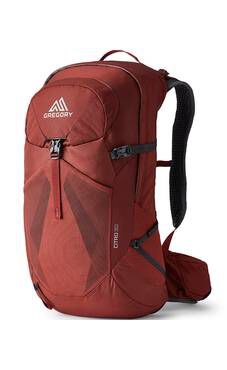
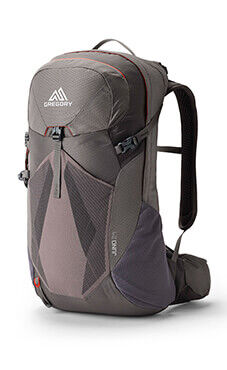
- Best pack for this trail: Citro for men and Juno for women. PS: for hut-to-hut trips in the mountains, you usually take up to 35 liters maximum.

Recommended products




Alpe-Adria Trail – Austria, Slovenia, Italy
The Alpe Adria Trail starts at Austria’s Grossglockner and leads to the Adriatic Sea, crossing three countries. You’ll pass lakes, waterfalls, wine country, and the Julian Alps. It’s well-marked and ideal for first-timers tackling a long-distance trek. Villages along the way will have guesthouses, hotels, and restaurants, so there’s no need to carry camping gear. The daily elevation change is moderate, but it adds up over a month of hiking.

Specifics for the Alpe-Adria Trail – Austria, Slovenia, Italy
- Location: Austria, Slovenia, Italy
- Distance: 750 KM
- Time needed: 37 days
- Accommodation along the trail: Lodging, mountain huts
- Elevation gain: 24623M
- When to hike: June-September
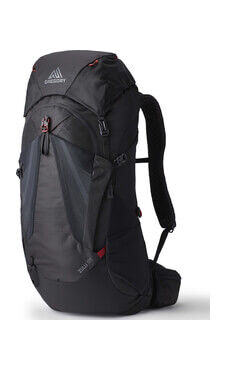
- Best pack for this trail: Zulu for men and Jade for women. PS: for hut-to-hut trips in the mountains, you usually take up to 35 liters maximum.
Recommended products


Coast to Coast – England
Wainwright’s Coast to Coast Walk crosses northern England from St Bees to Robin Hood’s Bay. It links the Lake District, the Yorkshire Dales, and the North York Moors. Expect rolling hills, valleys, and some steep climbs. The trail isn’t officially waymarked, so you will also need to bring a map and the downloaded GPX. Accommodation is easy, as there are B&Bs, pubs, and inns in nearly every village. Wild camping is possible, but not common. This multi-day trail is best walked from spring through early autumn.
Specifics for the Coast to Coast – England

Recommended products




West Highland Way – Scotland
Scotland’s most famous trail, the West Highland Way, runs from Milngavie to Fort William. It passes lochs, moors, and mountain views, with Ben Nevis waiting at the end. The trail’s elevation gain is about 3,200 meters, which makes it a fairly moderate trail since that’s split over a week. Lodging is mostly B&Bs and campsites, with a few basic hostels. Wild camping is legal and there are bothies, small shelters, along the way as well for easy overnights on the West Highland Way. This route is a good intro to long-distance hiking, but you will need to be ready for wet weather any time of year.

Specifics for the West Highland Way – Scotland
Recommended products


Fishermen’s Trail – Portugal
Running along Portugal’s southwest coast, the Fishermen’s Trail is sandy, salty, and windswept. It’s one of the most scenic coastal hikes in Europe, and you’ll walk on cliffs, beaches, and dirt tracks. Towns along the route have plenty of hostels and guesthouses, as wild camping is illegal. The sun can be intense, so spring and autumn are the best times to hike this long-distance trail.

Recommended products




Lofoten Crossing – Norway
The Lofoten Crossing is remote, rugged, and stunning. Expect steep climbs, muddy trails, and weather that changes fast. It runs north to south across the Lofoten archipelago and is an unofficial crossing. There are no official huts, but you can camp anywhere under Norway’s right to roam on this remote long-distance hike. Navigation skills are a must, and this one’s best saved for experienced hikers.

Schluchtensteig – Germany
Located in the Black Forest, the Schlutchtensteig has deep gorges, waterfalls, and quiet woods. The elevation gain totals 3,200 meters and it’s well-signposted and maintained, which means it’s good for intermediate hikers. You’ll find hotels, guesthouses, and mountain inns at every stage, and wild camping is prohibited. It’s also possible to hike this trail in sections with the great public transport links between towns.

Recommended products


Mullerthal Trail – Luxembourg
Nicknamed “Little Switzerland,” the Mullerthal Trail loops through sandstone canyons, lots of forest, and little villages. It’s divided into three main routes to make up a multi-day trail and several extras, all well-marked. The terrain is gentle with occasional scrambles. You’ll sleep in hotels or B&Bs in towns like Echternach and Berdorf. Camping is possible at organized sites. This one is also possible to complete from a basecamp!

Kerry Way – Ireland
The Kerry Way loops around the Iveragh Peninsula, where you will have views of the Atlantic, mountains, and ancient stone ruins. The elevation is manageable, but the path itself can be boggy. Towns along the way have plenty of accommodation options anywhere from hostels and B&Bs to small hotels. Wild camping is technically legal but requires care.

Recommended products




Slovenian Mountain Trail – Slovenia
The Slovenian Mountain Trail covers the entire Slovenian Alps, from Maribor to the Adriatic. It’s alpine, remote, and includes several via ferrata sections. Total elevation gain is around 37,000 meters. You’ll need good fitness and route-finding skills, and to be okay being alone for a lot of the time. Mountain huts are spaced out and well-run, just try to book ahead in summer. Camping is not allowed above the tree line, and it is best hiked between July and September.

Recommended products




Dolomites UNESCO Geotrail – Italy
The Dolomites UNESCO Geotrail is a geology lesson on foot, where you will cross some of the most dramatic terrain in the Dolomites. It’s alpine hiking at its best: high passes, rocky trails, big climbs. The trail is split into 10 stages, each ending near rifugi or towns with hotels. Expect 11,400 meters of elevation gain and be prepared because this one is not for beginners.

Recommended products


Main Beskid Trail – Poland
Finally, the Main Beskid Trail is the longest trail in Poland and crosses the Beskid Mountains from Ustroń to Wołosate. The path is gentle but long, with 22,000 meters total elevation gain over 500 kilometers. Shelters and mountain huts (schroniska) are frequent and cheap. Some sections are remote while others cross small villages. Wild camping isn’t officially allowed but is often tolerated if you follow the Leave No Trace principles.

Specifics for the Main Beskid Trail – Poland
Recommended products
Curious about more great hikes? Explore our full guide to hiking trails and get expert tips on gear, packing, and planning. Whether you're heading out for a weekend or a month-long thru-hike, we’ve got the perfect pack for your journey.

About the writer
Elmar Teegelbeckers
Passionate thru-hiker Elmar spends months of his time on the trail. He’s usually on the lookout for hidden gems in one of his favourite countries such as Slovenia, Switzerland and Japan. He founded hiking-trails.com and thru-hiking.com in need of a community and detailed information about the long-distance trails in Europe. Before this, he worked for the Alpine association in the Netherlands (NKBV) but lost his heart to the trails which he wrote two books about. His motto: hike slow, go far!